FIND YOUR PERFECT
SOLUTION
Protecting
what matters most
For more than 15 years, REBLOC develops and manufactures crash-tested precast concrete barrier systems to protect people all over the world when out on the road. Today, we apply this proven expertise to an equally important mission: keep people safe wherever vehicles pose a deliberate threat.
As the risk of hostile vehicle attacks has become an unfortunate part of reality, safeguarding public spaces, critical infrastructure, and major events have become more important than ever. At REBLOC, we believe in making a real difference when putting engineering expertise into use, particularly by preventing vehicle intrusion, but ultimately by helping to save lives.
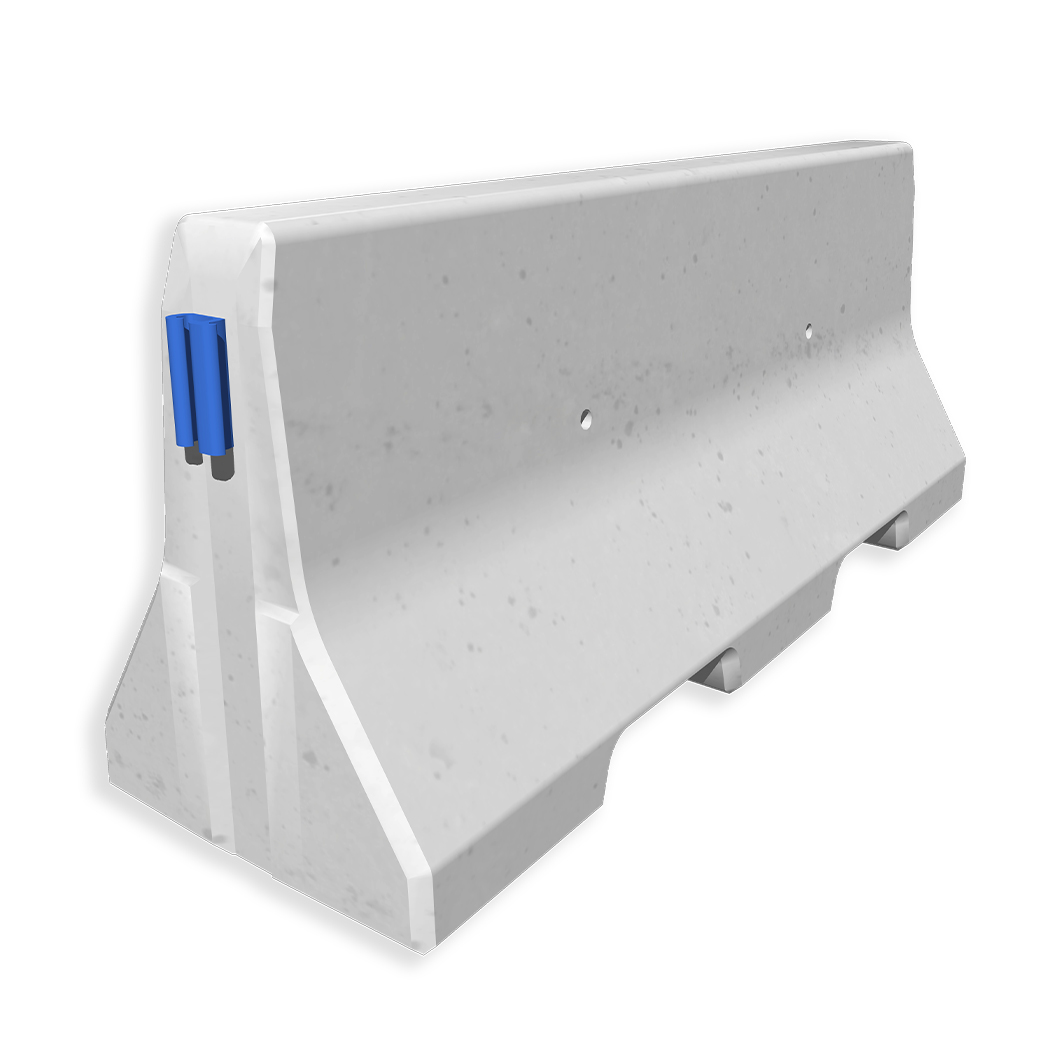
This is how it works. Developed from our proven concrete barrier technology, REBLOC DEFENCE combines certified protective performance with the practical advantages of precast concrete construction. The modular system allows rapid and flexible deployment, simple transport and storage, and sustainable multiple re-use, making it suitable for both temporary and permanent installation.
Whether protecting city centers, pedestrian areas, transport hubs, stadiums, public events, or critical infrastructure, REBLOC DEFENCE is engineered to deliver reliable protection where it matters most.
REBLOC DEFENCE is tested and certified in accordance with ISO 22343, providing verified performance against hostile vehicle threats. It is the combination of our experience in precast concrete engineering and vehicle impact performance, that makes REBLOC DEFENCE a safe, reliable, and efficient Vehicle Security Barrier solution to help protect what matters most: our people and places.